Angelica (Angelica archangelica): Angelica is an herb that has been used in European folk medicine since antiquity. It can be used to treat arthritis. The Western variety of angelica has 12 anti-inflammatory constituents, ten antispasmodic (muscle relaxant) constituents, and five anodyne (pain-relieving) ones. The Chinese sometimes use their native variety of the plant (Angelica sinensis) for the same purpose. The Chinese species is sold in North America under the names dang gui or dong quai.
Dosage and Directions: Place 1 tablespoon of the cut roots of either species of angelica in 1 pint of water and bring to a boil. Cover and boil for two minutes. Remove from heat and let stand, covered, until the water cools to room temperature. Strain and drink the tea in 3 doses during the day for two to three weeks at a time. Then, take a break for seven to ten days and start the treatment again if desired.
Source: http://www.holisticonline.com/Remedies/Arthritis/arth_herbal_medicine.htm#Angelica


Sesame Seeds for Arthritis
Sesame Seeds (Sesamum indicum): A remedy for arthritis from Chinese folk medicine is to eat sesame seeds. One-half ounce of the seeds contains about 4 grams of essential fatty acids, 175 milligrams of calcium, 64 milligrams of magnesium, and, 0.73 milligrams of copper. Increased copper intake may be important during arthritis attacks because the body's requirements go up during inflammation.
Dosage and Directions: Grind up 1/2 ounce of sesame seeds in a coffee grinder and sprinkle on your food at meal- time. You can use this treatment for as long as you like.
Source: http://www.holisticonline.com/Remedies/Arthritis/arth_herbal_medicine.htm#Sesame
Dosage and Directions: Grind up 1/2 ounce of sesame seeds in a coffee grinder and sprinkle on your food at meal- time. You can use this treatment for as long as you like.
Source: http://www.holisticonline.com/Remedies/Arthritis/arth_herbal_medicine.htm#Sesame
Red Pepper, Cayenne Pepper for Arthritis
Red pepper, Cayenne pepper (Capsicum spp.) Red pepper interferes with pain perception. The pain-relieving chemical in red pepper, capsaicin, triggers the body to release endorphins, nature's own opiates. Red pepper also contains aspirin-like compounds known as salicylates.
Compounds in red pepper can also help relieve arthritis when you apply the herb to the skin. Researchers have discovered that you'll get significant pain relief if you apply capsaicin cream directly to painful arthritic joints four times daily. In one study of this treatment, the capsaicin cream reduced RA pain by more than half. Osteoarthritis pain was reduced by about one-third.
Dosage and Directions: Place 1 ounce of cayenne pepper in 1 quart of rubbing alcohol (a poison not for internal use). Let stand for three weeks, shaking the bottle each day. Then, using a cloth, apply to the affected area during acute attacks of pain. Leave the solution in place for ten to twenty minutes, then wipe clean. You can also use an OTC cream that contain capsicum like Zostrix or Capzasin-P.
Source: http://www.holisticonline.com/Remedies/Arthritis/arth_herbal_medicine.htm#pepper
Compounds in red pepper can also help relieve arthritis when you apply the herb to the skin. Researchers have discovered that you'll get significant pain relief if you apply capsaicin cream directly to painful arthritic joints four times daily. In one study of this treatment, the capsaicin cream reduced RA pain by more than half. Osteoarthritis pain was reduced by about one-third.
Dosage and Directions: Place 1 ounce of cayenne pepper in 1 quart of rubbing alcohol (a poison not for internal use). Let stand for three weeks, shaking the bottle each day. Then, using a cloth, apply to the affected area during acute attacks of pain. Leave the solution in place for ten to twenty minutes, then wipe clean. You can also use an OTC cream that contain capsicum like Zostrix or Capzasin-P.
Source: http://www.holisticonline.com/Remedies/Arthritis/arth_herbal_medicine.htm#pepper
Pineapple for Arthritis
Pineapple (Ananas comosus). Bromelain, a chemical in pineapple, helps prevent inflammation. Athletic trainers have been reportedly recommending pineapple to athletes to prevent and treat sports injuries. It is believed to have beneficial effect on arthritis also. Bromelain can help the body get rid of immune antigen complex, compounds that are implicated in some arthritic conditions. It also helps digest fibrin, another compound suspected of being involved in some types of arthritis.
Source: http://www.holisticonline.com/Remedies/Arthritis/arth_herbal_medicine.htm#Pineapple
Source: http://www.holisticonline.com/Remedies/Arthritis/arth_herbal_medicine.htm#Pineapple
Ginger for Arthritis
Ginger (Zingiber officinale) In one study, Indian researchers gave three to seven grams of ginger a day to 18 people with osteoarthritis and 28 with rheumatoid arthritis. More than 75 percent of those participating in the study reported at least some relief from pain and swelling. Even after more than two years of taking these high doses of ginger, none of the people reported side effects. Many people drink ginger tea for osteoarthritis. A ginger compress is also beneficial for arthritis.
Source: http://www.holisticonline.com/Remedies/Arthritis/arth_herbal_medicine.htm#Ginger
Source: http://www.holisticonline.com/Remedies/Arthritis/arth_herbal_medicine.htm#Ginger
Celery for Arthritis
Celery (Apium graveolens): The remedy of eating raw or cooked celery seeds or large amounts of the celery plant to treat rheumatism arrived in North America with the European immigrants. Using celery to treat rheumatism persists today in North American professional herbalism. Various parts of the celery plant contain more than 25 different anti-inflammatory compounds. And, taken as a food, celery is rich in minerals: A cup of celery contains more than 340 milligrams of potassium. (A potassium deficiency may contribute to some symptoms of arthritis.)
Dosage: Place 1 teaspoon of celery seeds in a cup. Fill the cup with boiling water. Cover and let stand for fifteen minutes. Strain and drink. Drink 3 cups a day during an acute arthritis attack.
Source: http://www.holisticonline.com/Remedies/Arthritis/arth_herbal_medicine.htm#Celery
Dosage: Place 1 teaspoon of celery seeds in a cup. Fill the cup with boiling water. Cover and let stand for fifteen minutes. Strain and drink. Drink 3 cups a day during an acute arthritis attack.
Source: http://www.holisticonline.com/Remedies/Arthritis/arth_herbal_medicine.htm#Celery
Sea Cucumber for Arthritis
Sea Cucumber for Arthritis.
By Subhuti Dharmananda, Ph.D., Director, Institute for Traditional Medicine, Portland, Oregon
PREPARATION AND USE OF SEA CUCUMBER
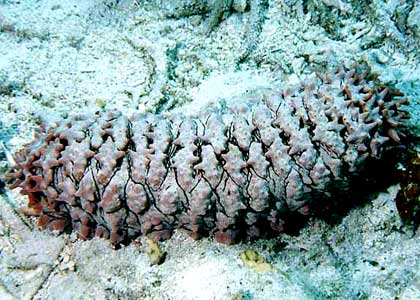
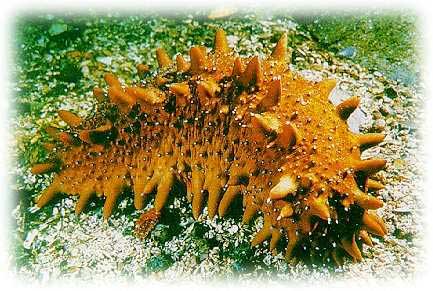
To prepare the sea cucumber after it is collected, the internal organs are removed, and dirt and sand are washed out of the cavity. It is then boiled in salty water and dried in the air to preserve it. When readied for use in making food, the hard, dried sea cucumber is softened. The process is quite lengthy, which is why this food tends to appear at special dinners and banquets more so than in day-to-day cuisine. To soften the dried sea cucumbers, the instructions are: place the sea cucumbers in a pot and add cold water to cover; soak for at least 12 hours; then cook over low heat for 1 to 2 hours; add more water, as necessary, to make sure that the water always covers the cucumbers; remove from heat and let cool to room temperature, then drain.
From the nutritional viewpoint, sea cucumber is an ideal tonic food. It is higher in protein (at 55%) than most any other food except egg whites (at 99%) and it has 10-16% mucopolysaccharides, substances that are used to build the cartilage. Sea cucumber is lower in fat than most other foods.
SEA CUCUMBER AS A NUTRITIONAL SUPPLEMENT
From the modern medical viewpoint, sea cucumber is a valuable source of several kinds of substances that can serve as natural health products, and, perhaps, be developed as drugs. Since sea cucumber is consumed as a food by a very small segment of the population outside East Asia, most people do not have access to its beneficial components. Thus, extracts of desired sea cucumber materials are put into easy-to-consume formats, such as capsules (hard and soft gelatin) and tablets.
Sea cucumber, having a cartilagenous body, serves as a rich source of mucopolysaccharides, mainly chondroitin sulfate, which is well-known for its ability to reduce arthritis pain, especially that of osteoarthritis As little as 3 grams per day of the dried sea cucumber has been helpful in significantly reducing arthralgia. Chondroitin's action is similar to that of glucosamine sulfate, the main building block of chondroitin.
The chemical layout of chondroitin A 3D representation of the building block of chondroitin
Chondroitin building blocks; left is the chemical layout, showing one building block that can be repeated numerous times; this is basically a glucose molecule (left potion) and glucosamine molecule (right portion), which has been sulfated (O3S, at the top). This building block is illustrated to the right in a three-dimensional representation.


Source: http://www.itmonline.org/arts/seacucumber.htm
By Subhuti Dharmananda, Ph.D., Director, Institute for Traditional Medicine, Portland, Oregon
PREPARATION AND USE OF SEA CUCUMBER
To prepare the sea cucumber after it is collected, the internal organs are removed, and dirt and sand are washed out of the cavity. It is then boiled in salty water and dried in the air to preserve it. When readied for use in making food, the hard, dried sea cucumber is softened. The process is quite lengthy, which is why this food tends to appear at special dinners and banquets more so than in day-to-day cuisine. To soften the dried sea cucumbers, the instructions are: place the sea cucumbers in a pot and add cold water to cover; soak for at least 12 hours; then cook over low heat for 1 to 2 hours; add more water, as necessary, to make sure that the water always covers the cucumbers; remove from heat and let cool to room temperature, then drain.
From the nutritional viewpoint, sea cucumber is an ideal tonic food. It is higher in protein (at 55%) than most any other food except egg whites (at 99%) and it has 10-16% mucopolysaccharides, substances that are used to build the cartilage. Sea cucumber is lower in fat than most other foods.
SEA CUCUMBER AS A NUTRITIONAL SUPPLEMENT
From the modern medical viewpoint, sea cucumber is a valuable source of several kinds of substances that can serve as natural health products, and, perhaps, be developed as drugs. Since sea cucumber is consumed as a food by a very small segment of the population outside East Asia, most people do not have access to its beneficial components. Thus, extracts of desired sea cucumber materials are put into easy-to-consume formats, such as capsules (hard and soft gelatin) and tablets.
Sea cucumber, having a cartilagenous body, serves as a rich source of mucopolysaccharides, mainly chondroitin sulfate, which is well-known for its ability to reduce arthritis pain, especially that of osteoarthritis As little as 3 grams per day of the dried sea cucumber has been helpful in significantly reducing arthralgia. Chondroitin's action is similar to that of glucosamine sulfate, the main building block of chondroitin.
The chemical layout of chondroitin A 3D representation of the building block of chondroitin
Chondroitin building blocks; left is the chemical layout, showing one building block that can be repeated numerous times; this is basically a glucose molecule (left potion) and glucosamine molecule (right portion), which has been sulfated (O3S, at the top). This building block is illustrated to the right in a three-dimensional representation.

Source: http://www.itmonline.org/arts/seacucumber.htm
Life style changes for Arthritis
The treatment of arthritis begins at home and all individuals should make changes in life style to adapt to the disease. Lifestyle measures can help one lead a better quality of life and manage symptoms without taking too many medications. Exercises are highly recommended on a regular basis for all individual with arthritis. The exercises should be gentle and help increase range of motion and physical strength. Daily exercises can help one fight fatigue. If you are unable to participate in intense exercise, start with walking or swimming. Many public pools offer swimming classes.
Relaxing is one the best ways to cope with arthritis. Available techniques for relaxation include hypnosis, acupuncture, imagery, yoga or Tai chi. All these techniques are easy to learn and can be done at home. Also, understand your limits and rest when you are tired as sleep is essential for all patients with arthritis. Learn to connect with people carrying the same disease. There are ample support groups which can help individuals with arthritis.
Save time for yourself. Do something that you like for a change- go for walk, read, listen to music or surf the Net. Spending time by yourself will help you reduce stress and reflect on your disorder.
Source: http://en.wikipedia.org/wiki/Arthritis
Relaxing is one the best ways to cope with arthritis. Available techniques for relaxation include hypnosis, acupuncture, imagery, yoga or Tai chi. All these techniques are easy to learn and can be done at home. Also, understand your limits and rest when you are tired as sleep is essential for all patients with arthritis. Learn to connect with people carrying the same disease. There are ample support groups which can help individuals with arthritis.
Save time for yourself. Do something that you like for a change- go for walk, read, listen to music or surf the Net. Spending time by yourself will help you reduce stress and reflect on your disorder.
Source: http://en.wikipedia.org/wiki/Arthritis
Physical Therapy for Arthritis
Individuals with arthritis can definitely benefit from both physical and occupational therapy. In arthritis the joints become stiff and the range of movements is limited. Physical therapy can teach you how to relax the stiff joint and not damage the joint. Moreover, physical therapy can provide splints or braces for your joints. There are also assist devices available that can help you drive, getting a bath, dressing and also in housekeeping labors. Occupation therapy can teach you how to reduce stress on your joint from daily living activities. Occupation therapy can also teach you how to modify your home and work environment so that you do reduce movements that may worsen your arthritis.
Physical therapy also involves use of ice, heating pads as well as ultrasound guided massage therapy. Physical therapy for arthritis can be learned and practiced at home. To help reduce stress on the joint, you will be taught how to distribute weight on the weight bearing joints. Other aspects of physical therapy means learning how to maintain good posture, conserving energy by allowing rest before and after activity.
Occupational therapy can help you do everyday activities without worsening pain or causing joint damage. The techniques can help you distribute pressures to minimize stress on any one joint. Ways to accomplish daily living tasks are made easier.
Source: http://en.wikipedia.org/wiki/Arthritis
Physical therapy also involves use of ice, heating pads as well as ultrasound guided massage therapy. Physical therapy for arthritis can be learned and practiced at home. To help reduce stress on the joint, you will be taught how to distribute weight on the weight bearing joints. Other aspects of physical therapy means learning how to maintain good posture, conserving energy by allowing rest before and after activity.
Occupational therapy can help you do everyday activities without worsening pain or causing joint damage. The techniques can help you distribute pressures to minimize stress on any one joint. Ways to accomplish daily living tasks are made easier.
Source: http://en.wikipedia.org/wiki/Arthritis
Arthritis Medications
Physicians usually start with drugs which have the fewest side effects. As the arthritis progresses, you may need stronger medications.
Non steroidal anti inflammatory drugs are usually the drugs of first choice. These drugs help decrease inflammation and reduce pain. Over the counter medications like Ibuprofen or Aleve do help but most people require stronger prescription painkillers like Celebrex or tramadol. While these drugs are effective, they are also associated with a variety of side effects like abdominal pain, bleeding, ulcers, liver and kidney damage. Non steroidal anti inflammatory drugs should not be used for prolonged periods without proper physician supervision.
Corticosteroids are frequently prescribed for individuals with arthritis. These potent drugs can help reduce inflammation and slow down joint damage. However, corticosteroids have potent side effects which range from ulcer, skin bruising, weight gain, cataracts, bone thinning, diabetes and hypertension. Corticosteroids are usually given for a short time to help reduce acute symptoms.
Disease-modifying antirheumatic drugs (DMARDs) can help slow down progression of rheumatoid arthritis and joint damage. The most common DMARDs include methotrexate (Rheumatrex, Trexall), leflunomide (Arava), hydroxychloroquine (Plaquenil), sulfasalazine (Azulfidine) and minocycline (Dynacin, Minocin). All these drugs have side effects which include liver damage, bone marrow suppression and possibility of opportunistic infections.
Immunosuppressants like cyclosporine and cyclophosphamide suppress potent cells of the body and help decrease the inflammation. These medications do help treat severe arthritis but also make one prone to infections.
Tumor necrosis factor inhibitors have been shown to reduce inflammation, pain, morning stiffness and swelling of joints. Drugs like etanercept (Enbrel), infliximab (Remicade) and adalimumab (Humira) can significantly improve quality of life. The most common side effects from these drugs include pain at site of injection, heart failure and increased risk of infection.
Source: http://en.wikipedia.org/wiki/Arthritis
Non steroidal anti inflammatory drugs are usually the drugs of first choice. These drugs help decrease inflammation and reduce pain. Over the counter medications like Ibuprofen or Aleve do help but most people require stronger prescription painkillers like Celebrex or tramadol. While these drugs are effective, they are also associated with a variety of side effects like abdominal pain, bleeding, ulcers, liver and kidney damage. Non steroidal anti inflammatory drugs should not be used for prolonged periods without proper physician supervision.
Corticosteroids are frequently prescribed for individuals with arthritis. These potent drugs can help reduce inflammation and slow down joint damage. However, corticosteroids have potent side effects which range from ulcer, skin bruising, weight gain, cataracts, bone thinning, diabetes and hypertension. Corticosteroids are usually given for a short time to help reduce acute symptoms.
Disease-modifying antirheumatic drugs (DMARDs) can help slow down progression of rheumatoid arthritis and joint damage. The most common DMARDs include methotrexate (Rheumatrex, Trexall), leflunomide (Arava), hydroxychloroquine (Plaquenil), sulfasalazine (Azulfidine) and minocycline (Dynacin, Minocin). All these drugs have side effects which include liver damage, bone marrow suppression and possibility of opportunistic infections.
Immunosuppressants like cyclosporine and cyclophosphamide suppress potent cells of the body and help decrease the inflammation. These medications do help treat severe arthritis but also make one prone to infections.
Tumor necrosis factor inhibitors have been shown to reduce inflammation, pain, morning stiffness and swelling of joints. Drugs like etanercept (Enbrel), infliximab (Remicade) and adalimumab (Humira) can significantly improve quality of life. The most common side effects from these drugs include pain at site of injection, heart failure and increased risk of infection.
Source: http://en.wikipedia.org/wiki/Arthritis
Arthritis Treatment
Once the diagnosis of arthritis is made, treatments are available for a variety of symptoms. There is no cure for either rheumatoid or osteoarthritis. The available medications can help reduce inflammation in the joint which decreases pain. Moreover, by decreasing inflammation, the joint damage is slowed.
Treatment options vary depending on the type of arthritis and include physical therapy, lifestyle changes (including exercise and weight control), orthopedic bracing, medications, and dietary supplements (symptomatic or targeted at the disease process causing the arthritis). Arthroplasty (joint replacement surgery) may be required in eroding forms of arthritis.
In general, studies have shown that physical exercise of the affected joint can have noticeable improvement in terms of long-term pain relief. Furthermore, exercise of the arthritic joint is encouraged to maintain the health of the particular joint and the overall body of the person.
Source: http://en.wikipedia.org/wiki/Arthritis
Treatment options vary depending on the type of arthritis and include physical therapy, lifestyle changes (including exercise and weight control), orthopedic bracing, medications, and dietary supplements (symptomatic or targeted at the disease process causing the arthritis). Arthroplasty (joint replacement surgery) may be required in eroding forms of arthritis.
In general, studies have shown that physical exercise of the affected joint can have noticeable improvement in terms of long-term pain relief. Furthermore, exercise of the arthritic joint is encouraged to maintain the health of the particular joint and the overall body of the person.
Source: http://en.wikipedia.org/wiki/Arthritis
Arthritis Prevention
While neither Rheumatoid arthritis nor osteoarthritis can be completely prevented, one can reduce the risks by becoming physically active, participating in physical therapy, losing weight and eating healthy. All individuals whom have pain in the joints should seek early diagnosis because the earlier the treatment is started, the better is the prognosis. There is some evidence that consuming the commonly-eaten Nightshade plants (tomatoes, potatoes, eggplant, bell pepper family, and tobacco) is the causing factor in arthritis.
Source: http://en.wikipedia.org/wiki/Arthritis
Source: http://en.wikipedia.org/wiki/Arthritis
Severe Arthritis
Arthritis is a painful disorder but in some individuals it progresses and causes severe deformities. The majority of individuals with severe rheumatoid arthritis will have deformities of their fingers. The deformity may also occur in the wrist joint due to a loss of cartilage and with time, it may be impossible to move the wrist joint. Other problems with severe arthritis include entrapment of the nerve in the wrist leading to the carpal tunnel syndrome. With time these fingers will have diminished sensation, loss of muscle and one may not be able to use the fingers.
Infectious arthritis is another severe form of arthritis. It presents with sudden onset of chills, fever and joint pain. The condition is caused by bacteria elsewhere in the body. Infectious arthritis must be rapidly diagnosed and treated promptly to prevent irreversible and permanent joint damage.
Psoriasis is another very severe type of arthritis. With psoriasis, most individuals develop the skin problem first and then the arthritis. The typical features are of continuous joint pains, stiffness and swelling. The disease does recur with periods of remission but there is no cure for the disorder. A small percentage develop a severe painful and destructive form of arthritis which destroys the small joint in the hands and can lead to permanent disability and loss of hand function.
Source: http://en.wikipedia.org/wiki/Arthritis
Infectious arthritis is another severe form of arthritis. It presents with sudden onset of chills, fever and joint pain. The condition is caused by bacteria elsewhere in the body. Infectious arthritis must be rapidly diagnosed and treated promptly to prevent irreversible and permanent joint damage.
Psoriasis is another very severe type of arthritis. With psoriasis, most individuals develop the skin problem first and then the arthritis. The typical features are of continuous joint pains, stiffness and swelling. The disease does recur with periods of remission but there is no cure for the disorder. A small percentage develop a severe painful and destructive form of arthritis which destroys the small joint in the hands and can lead to permanent disability and loss of hand function.
Source: http://en.wikipedia.org/wiki/Arthritis
Gout Arthritis
It is caused by deposition of uric acid crystals in the joint, causing inflammation. There is also an uncommon form of gout caused by the formation of rhomboid crystals of calcium pyrophosphate. This gout is known as pseudogout. In the early stages, the gouty arthritis usually occur in one joint, but with time, it can occur in many joints and be quite crippling. The joints in gout can often become swollen and lose function.
Source: http://en.wikipedia.org/wiki/Arthritis
Source: http://en.wikipedia.org/wiki/Arthritis
Lupus Arthritis
This is a common collagen vascular disorder that can present with severe arthritis. Other features of lupus include a skin rash, extreme photosensitivity, hair loss, kidney problems, emotional lability, lung fibrosis and constant joint pain.
Source: http://en.wikipedia.org/wiki/Arthritis
Source: http://en.wikipedia.org/wiki/Arthritis
Osteoarthritis
Unlike rheumatoid arthritis, osteoarthritis affects larger joints of the body, like the back, hip or knee. The disease is essentially one acquired from daily wear and tear of the joint. Osteoarthritis begins in the cartilage and eventually leads to the two opposing bones eroding into each other. Initially, the condition starts with minor pain while walking but soon the pain can be continuous and even occur at night. The pain can be debilitating and prevent one from doing any type of activity. Osteoarthritis typically affects the weight bearing joints like the back, spine and pelvis. Unlike rheumatoid arthritis, osteoarthritis is a disease of the elderly. More than 30 percent of females have some degree of osteoarthritis by age 65.
Risk factors for osteoarthritis:
* Prior joint trauma
* Obesity
* Repetitive joint use
* Sedentary lifestyle
Osteoarthritis, like rheumatoid arthritis, cannot be cured but one can prevent the condition from worsening. Weight loss is the key to improving symptoms and preventing progression. Physical therapy to strengthen muscles and joints is very helpful. Pain medications are widely required by individuals with osteoarthritis. When the disease is far advanced the pain the continuous, surgery may be an option. Unlike rheumatoid arthritis, joint replacement does help many individuals with osteoarthritis.
Source: http://en.wikipedia.org/wiki/Arthritis
Rheumatoid Arthritis
Rheumatoid arthritis is a disorder where, for some unknown reason, the body's own immune system starts to attack body tissues. The attack is not only directed at the joint but to many other parts of the body. In rheumatoid arthritis, most damage occurs to the joint lining and cartilage which eventually results in erosion of two opposing bones. Rheumatoid arthritis affects joints in the fingers, wrists, knees and elbows. The disease is symmetrical and leads to severe deformity in a few years. Rheumatoid arthritis occurs in the ¾th decade of life. In children, the disorder can present with a skin rash, fever, pain, disability, and limitations in daily activities. No one knows why rheumatoid arthritis occurs and all treatments are focused on easing the symptoms. With earlier diagnosis and aggressive treatment, many individuals can lead a decent quality of life. The drugs to treat rheumatoid arthritis range from corticosteroids to monoclonal antibodies given intravenously. The latest drugs like Remicade can significantly improve quality of life in the short term. In rare cases, surgery may be required to replace joints but there is no cure for the illness.
Rheumatic fever has now seen resurgence in America primarily because of mass immigration of people from developing countries. The disorder can present with a migratory nature of arthritis with many other features like heart problems, skin rash, gait abnormality and skin nodules.
Types of Arthritis
Primary forms of arthritis:
* Osteoarthritis
* Rheumatoid arthritis
* Septic arthritis
* Gout and pseudo-gout
* Juvenile idiopathic arthritis
* Still's disease
* Ankylosing spondylitis
Secondary to other diseases:
* Ehlers-Danlos Syndrome
* Sarcoidosis
* Henoch-Schönlein purpura
* Psoriatic arthritis
* Reactive arthritis
* Haemochromatosis
* Hepatitis
* Wegener's granulomatosis (and many other vasculitis syndromes)
* Lyme disease
* Familial Mediterranean fever
* Hyperimmunoglobulinemia D with recurrent fever
* TNF receptor associated periodic syndrome
* Inflammatory bowel disease (Including Crohn's Disease and Ulcerative Colitis)
Diseases that can mimic arthritis include:
* Hypertrophic osteoarthropathy
* Multiple myeloma
* Osteoporosis
* Fifth disease (parvovirus infection)
Source: http://en.wikipedia.org/wiki/Arthritis
* Osteoarthritis
* Rheumatoid arthritis
* Septic arthritis
* Gout and pseudo-gout
* Juvenile idiopathic arthritis
* Still's disease
* Ankylosing spondylitis
Secondary to other diseases:
* Ehlers-Danlos Syndrome
* Sarcoidosis
* Henoch-Schönlein purpura
* Psoriatic arthritis
* Reactive arthritis
* Haemochromatosis
* Hepatitis
* Wegener's granulomatosis (and many other vasculitis syndromes)
* Lyme disease
* Familial Mediterranean fever
* Hyperimmunoglobulinemia D with recurrent fever
* TNF receptor associated periodic syndrome
* Inflammatory bowel disease (Including Crohn's Disease and Ulcerative Colitis)
Diseases that can mimic arthritis include:
* Hypertrophic osteoarthropathy
* Multiple myeloma
* Osteoporosis
* Fifth disease (parvovirus infection)
Source: http://en.wikipedia.org/wiki/Arthritis
Symptoms of Arthritis
Irrespective of the type of arthritis, the common symptoms for all arthritis disorders include pain, swelling, joint stiffness and a constant ache around the joint(s). Arthritic disorders like lupus and rheumatoid can also affect other organs in the body with a variety of symptoms.
Inability to use the hand or walk
Malaise and a feeling of tiredness
Fever
Weight loss
Poor sleep
Muscle aches and pains
Tenderness
Difficulty moving the joint
Source: http://en.wikipedia.org/wiki/Arthritis
Inability to use the hand or walk
Malaise and a feeling of tiredness
Fever
Weight loss
Poor sleep
Muscle aches and pains
Tenderness
Difficulty moving the joint
Source: http://en.wikipedia.org/wiki/Arthritis
History of Arthritis
All arthritides feature pain. Pain patterns may differ depending on the arthritides and the location. Rheumatoid arthritis is generally worse in the morning and associated with stiffness; in the early stages, patients often have no symptoms after a morning shower. In the aged and children, pain might not be the main presenting feature; the aged patient simply moves less, the infantile patient refuses to use the affected limb.
Elements of the history of the disorder guide diagnosis. Important features are speed and time of onset, pattern of joint involvement, symmetry of symptoms, early morning stiffness, tenderness, gelling or locking with inactivity, aggravating and relieving factors, and other systemic symptoms. Physical examination may confirm the diagnosis, or may indicate systemic disease. Radiographs are often used to follow progression or assess severity in a more quantitative manner.
While evidence of primary ankle (kaki) osteoarthritis has been discovered in dinosaurs, the first known traces of human arthritis date back as far as 4500 BC. In early reports, arthritis was frequently referred to as the most common ailment of prehistoric peoples. It was noted in skeletal remains of Native Americans found in Tennessee and parts of what is now Olathe, Kansas. Evidence of arthritis has been found throughout history, from Ötzi, a mummy (circa 3000 BC) found along the border of modern Italy and Austria, to the Egyptian mummies circa 2590 BC
In 1715 William Musgrave published the second edition of his most important medical work De arthritide symptomatica which concerned arthritis and its effects.
Source: http://en.wikipedia.org/wiki/Arthritis
Elements of the history of the disorder guide diagnosis. Important features are speed and time of onset, pattern of joint involvement, symmetry of symptoms, early morning stiffness, tenderness, gelling or locking with inactivity, aggravating and relieving factors, and other systemic symptoms. Physical examination may confirm the diagnosis, or may indicate systemic disease. Radiographs are often used to follow progression or assess severity in a more quantitative manner.
While evidence of primary ankle (kaki) osteoarthritis has been discovered in dinosaurs, the first known traces of human arthritis date back as far as 4500 BC. In early reports, arthritis was frequently referred to as the most common ailment of prehistoric peoples. It was noted in skeletal remains of Native Americans found in Tennessee and parts of what is now Olathe, Kansas. Evidence of arthritis has been found throughout history, from Ötzi, a mummy (circa 3000 BC) found along the border of modern Italy and Austria, to the Egyptian mummies circa 2590 BC
In 1715 William Musgrave published the second edition of his most important medical work De arthritide symptomatica which concerned arthritis and its effects.
Source: http://en.wikipedia.org/wiki/Arthritis
What is Arthritis?
What is Arthritis?
Arthritis (from Greek arthro-, joint + -itis, inflammation; plural: arthritides) is a group of conditions involving damage to the joints of the body.
There are over 100 different forms of arthritis. The most common form, osteoarthritis (degenerative joint disease) is a result of trauma to the joint, infection of the joint, or age. Other arthritis forms are rheumatoid arthritis, psoriatic arthritis, and autoimmune diseases in which the body attacks itself. Septic arthritis is caused by joint infection.
The major complain by individuals who have arthritis is pain. Pain is often a constant and daily feature of the disease. The pain may be localized to the back, neck, hip, knee or feet. The pain from arthritis occurs due to inflammation that occurs around the joint, damage to the joint from disease, daily wear and tear of joint, muscles strains caused by forceful movements against stiff, painful joints and fatigue. The most important factor in treatment is to understand the disorder and find ways to overcome the obstacles which prevent physical exercise.
Source: http://en.wikipedia.org/wiki/Arthritis
Arthritis (from Greek arthro-, joint + -itis, inflammation; plural: arthritides) is a group of conditions involving damage to the joints of the body.
There are over 100 different forms of arthritis. The most common form, osteoarthritis (degenerative joint disease) is a result of trauma to the joint, infection of the joint, or age. Other arthritis forms are rheumatoid arthritis, psoriatic arthritis, and autoimmune diseases in which the body attacks itself. Septic arthritis is caused by joint infection.
The major complain by individuals who have arthritis is pain. Pain is often a constant and daily feature of the disease. The pain may be localized to the back, neck, hip, knee or feet. The pain from arthritis occurs due to inflammation that occurs around the joint, damage to the joint from disease, daily wear and tear of joint, muscles strains caused by forceful movements against stiff, painful joints and fatigue. The most important factor in treatment is to understand the disorder and find ways to overcome the obstacles which prevent physical exercise.
Source: http://en.wikipedia.org/wiki/Arthritis

